WACC Cost Allocations
Balances equity expectations with tax-deductible interest payments to reflect true corporate capital cost.
Estimate your company's discount rate. Model cost of equity via CAPM, factor in tax shields on corporate debt, and determine your weighted cost of capital.
Estimate Corporate Cost of Capital & Discount Rates
Strategic corporate acquirers and private equity sponsors use WACC to discount future cash flows. A higher WACC results in a compressed business valuation range.
Get an instant AI WACC diagnostic identifying debt optimization margins and market risk offsets.
Balances equity expectations with tax-deductible interest payments to reflect true corporate capital cost.
Calculates hurdle rates based on risk-free yields, levered equity betas, and equity risk premiums.
Provides the foundational discount rate required for discounted cash flow (DCF) enterprise valuation.
Quantify Enterprise Values, verify due diligence books, and estimate strategic synergy premiums in real-time.
Model Enterprise Value and EBITDA multiples based on cash-flow parameters.
Reconcile VDR files and CIM statements to check QofE due diligence clawbacks.
Verify exit-readiness parameters, customer concentrations, and legal roadblocks.
Estimate annual cost reductions and customer cross-sell synergy values.
Leverage branded diagnostic assessments, AI drafting tools, and shared client collaboration channels.

Turn exit diagnostics into structured Confidential Information Memorandums automatically.

Mapstrategic buyer synergies and justify exit premium values across 6 dimensions.
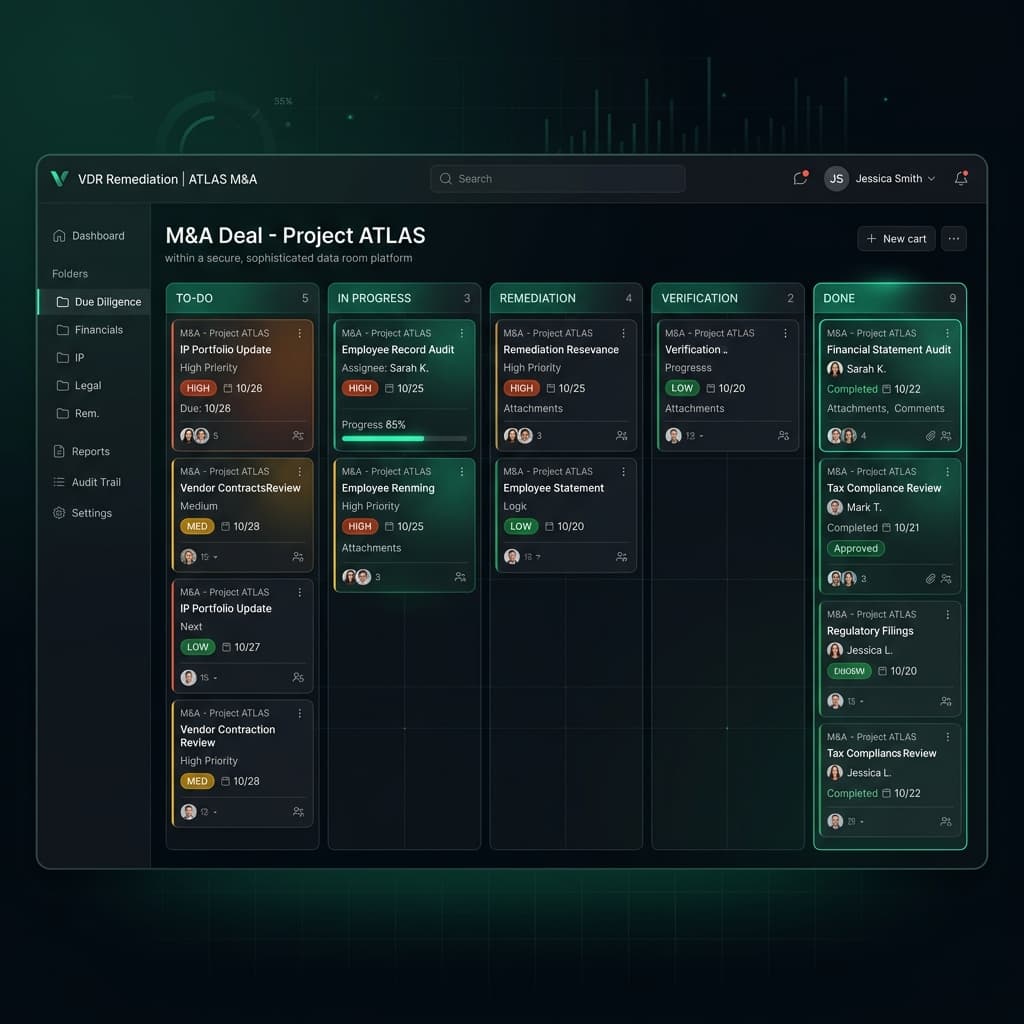
Convert diagnostic risk findings into white-labeled seller remediation workflows.

Guide draft output tone with your boutique firm's custom brand vocabulary rules.
Read advanced articles written by tech corporate advisors covering escrow, EBITDA multiples, and transaction logs.
 M&A Diligence
Step-by-step best practices to structure folders, manage user permissions, and ensure secure buyer access.
 Valuation
A practical breakdown of valuation approaches owners and advisors use before a sale process.
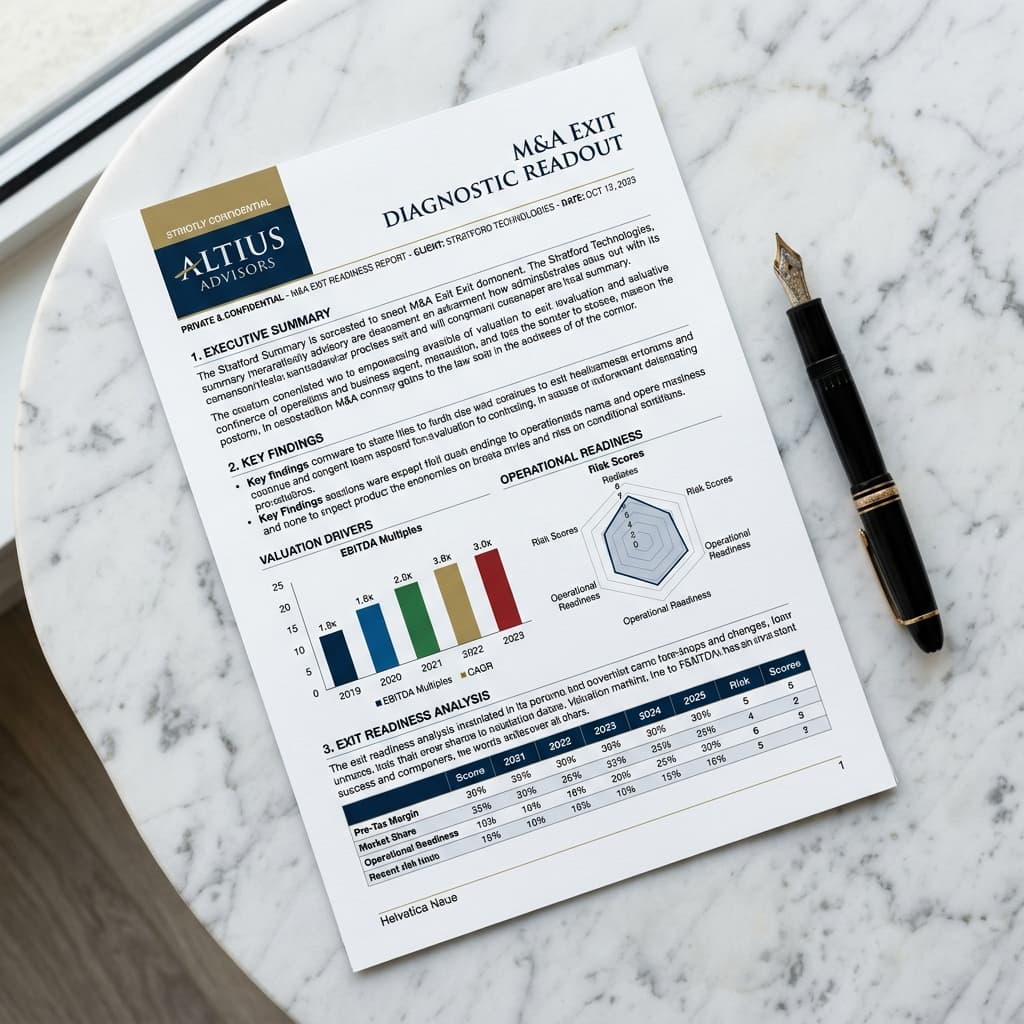 Deal Structuring
How AI-assisted CIM workflows reduce drafting time while keeping deal materials consistent.
AIVI empowers boutique M&A firms and investment banks to generate CIMs, conduct instant VDR gap checks, and manage exit readiness automatically from a unified data model.